Is lipedema hereditary? And will my daughter get it?
The family pattern is one of the most reliable things about this condition — and one of the saddest, because it usually means several generations were told the same wrong thing.

What we wish someone had explained the first time. Written to be read on a phone, in Arabic or English, without a medical dictionary.
The family pattern is one of the most reliable things about this condition — and one of the saddest, because it usually means several generations were told the same wrong thing.
Almost every woman with lipedema can name the year it changed, and almost every one of those years was a hormonal one. What that tells us, and what it does not.
Nobody tells you this part. A correctly prescribed garment that lives in a drawer because you cannot get it on is doing nothing at all, and the fix is technique rather than willpower.
There is no cure. There is a great deal that reduces pain, slows progression and improves how you move — and there is a lot being sold that does none of those things. This separates them.
The cruel arithmetic of this condition in our climate: heat dilates vessels and worsens swelling, so summer is when you need compression most and can bear it least. There are real answers, and "just push through" is not one of them.
Pain is what makes this a medical condition rather than a body shape — and it is the symptom most often left out of the conversation entirely. Here is the mechanism, and the interventions ranked by how much evidence stands behind each one.
The answer is a qualified yes, and the qualification is the whole point: you are pursuing something specific and measurable, not chasing legs that were never going to change.
The honest answer has two halves, and most articles only give you one. No diet removes lipedema fat. Several ways of eating meaningfully reduce pain, swelling and inflammation. Both of those are true at once.
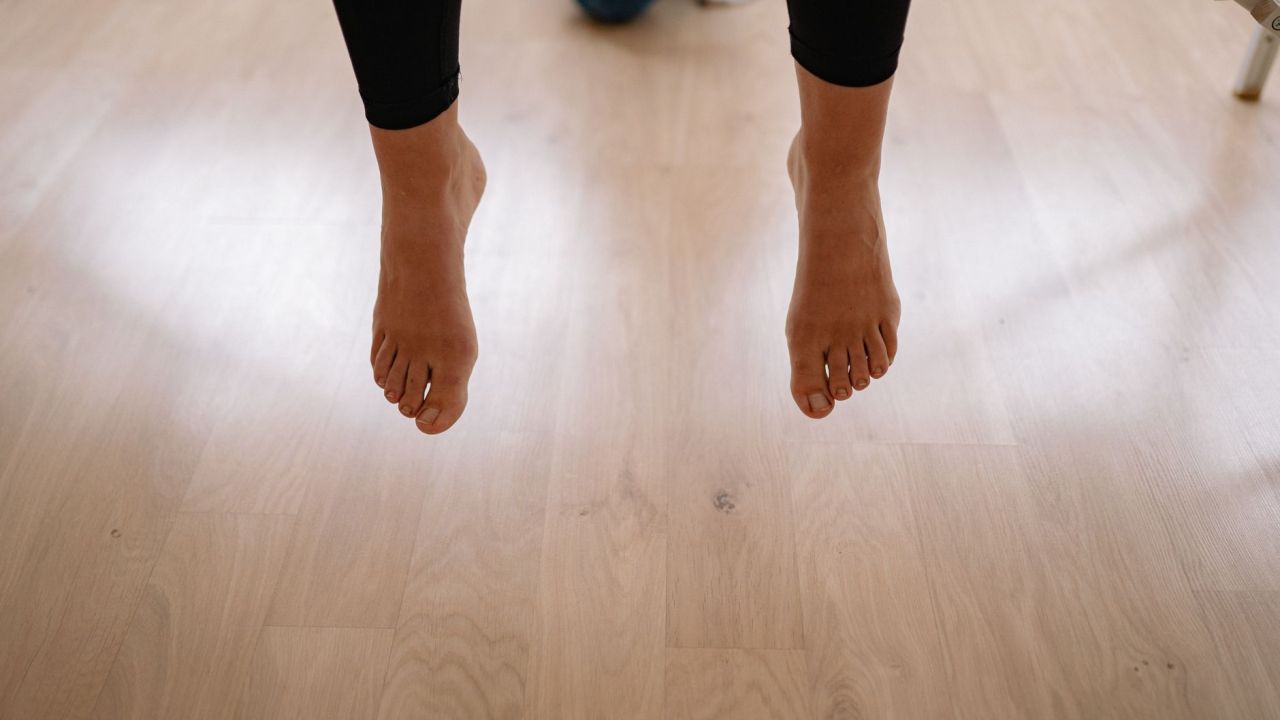
Tissue that stops dead above the ankle, with a normal foot underneath. It is the sign clinicians reach for first, and it is the easiest one to photograph.
They are confused constantly, they are treated differently, and one can eventually cause the other. Four questions separate them, and the first one is about your feet.
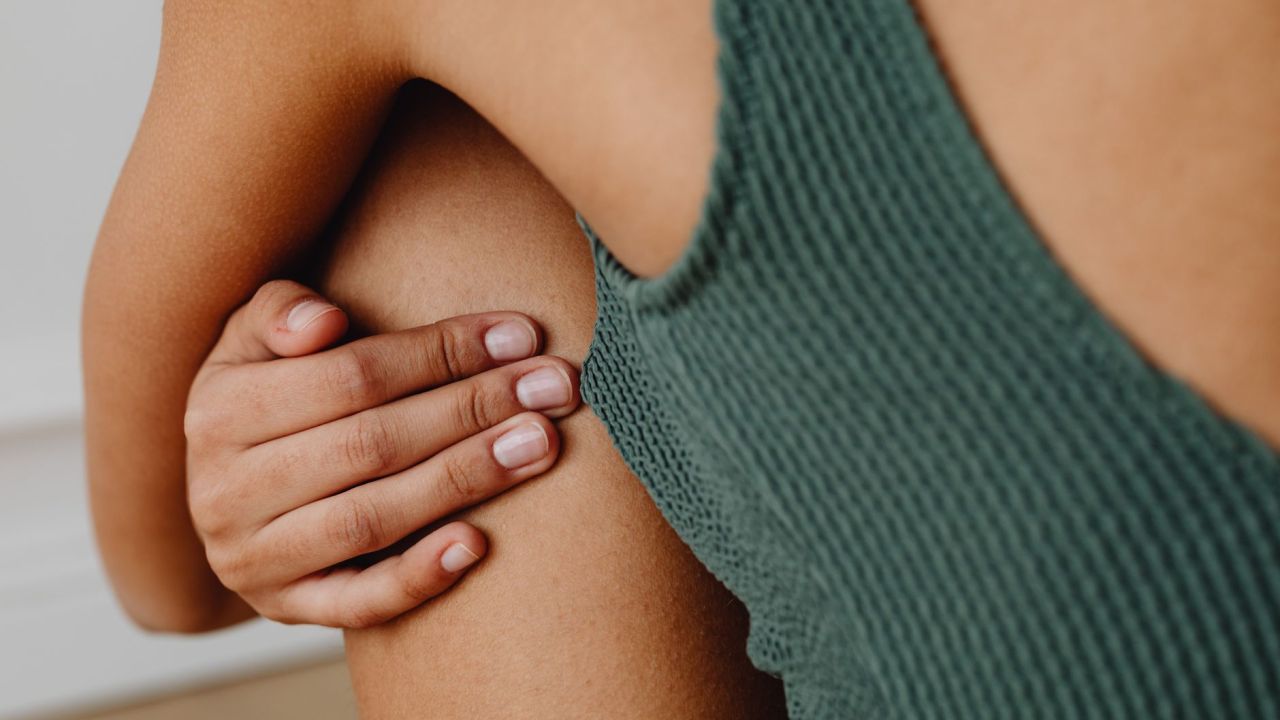
You look down and there is a bruise the size of a plum on your thigh and no memory of how it got there. It is one of the most characteristic signs of the condition, and there is a mechanical reason for it.
Stages and types get used interchangeably and they describe completely different things. One is a timeline, the other is a map — and neither of them tells you how much you are hurting.