Movement, water and why walking helps more than it should
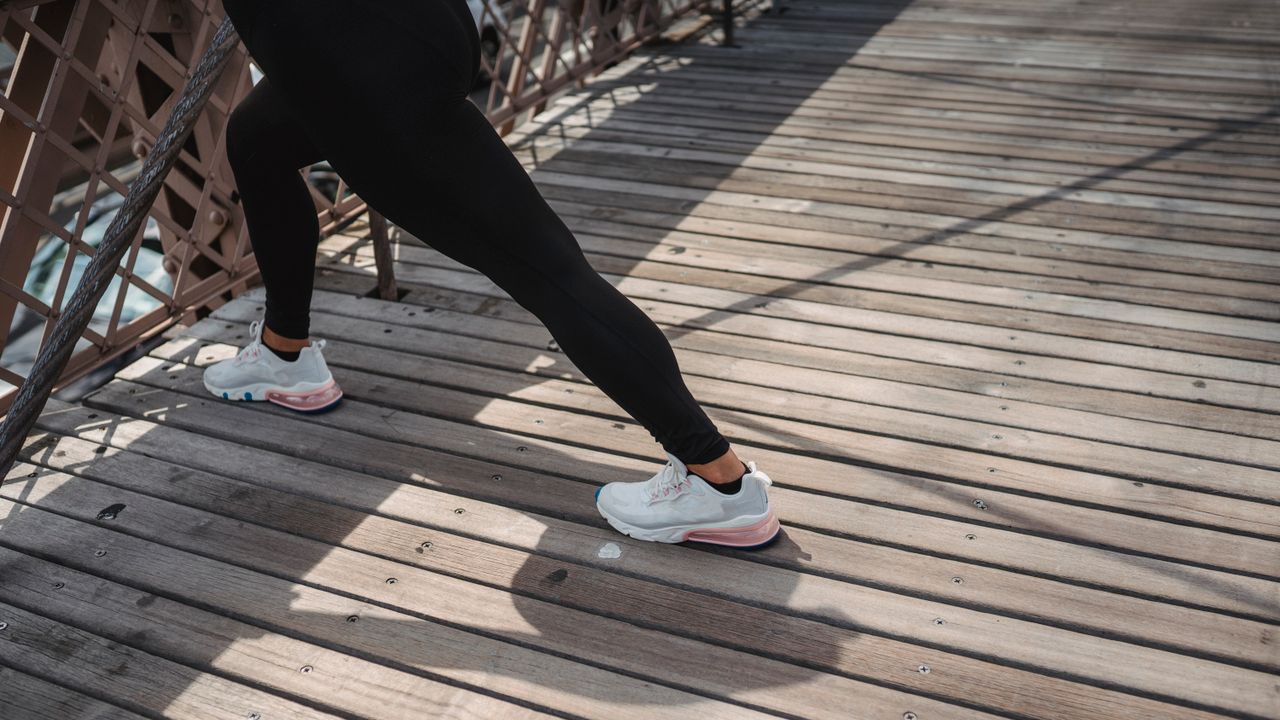
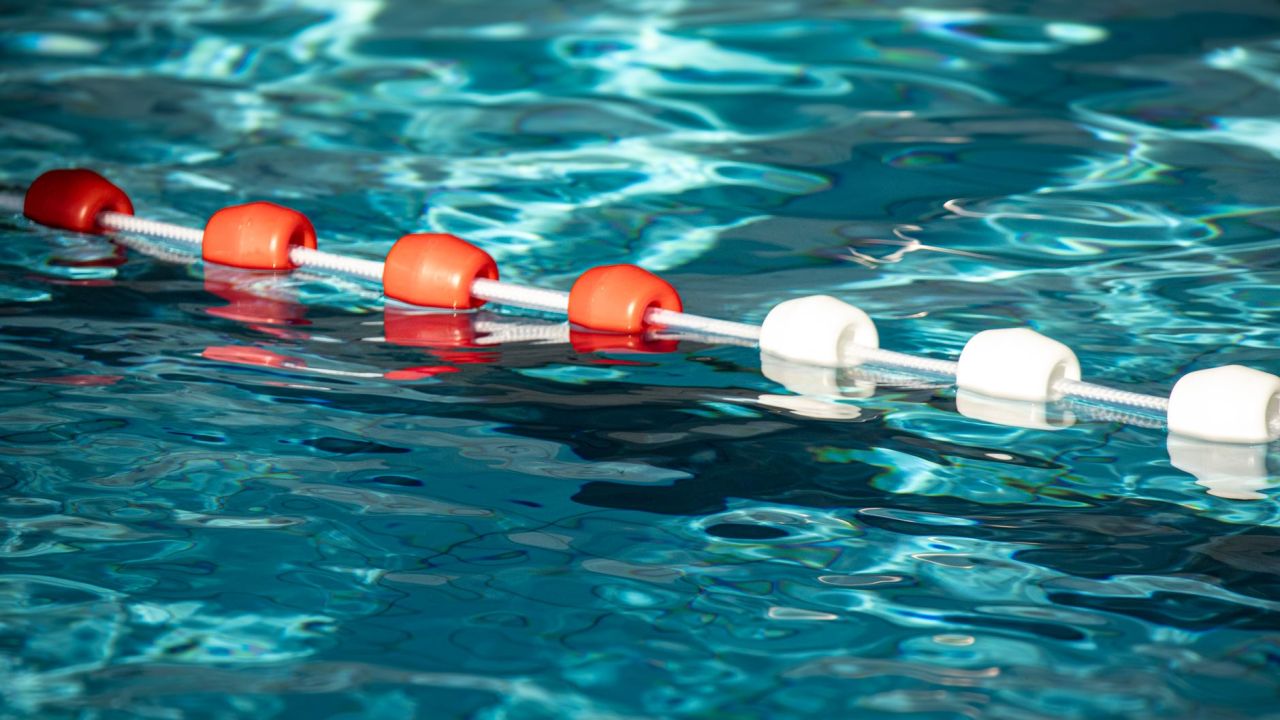
The lymphatic system has no pump of its own; it borrows yours. That one fact explains why walking, and moving in water especially, does more for lipedema than its gentleness suggests.
Compression, drainage, movement, water — the daily work, and how much of it is actually worth doing.
The lymphatic system has no pump of its own; it borrows yours. That one fact explains why walking, and moving in water especially, does more for lipedema than its gentleness suggests.
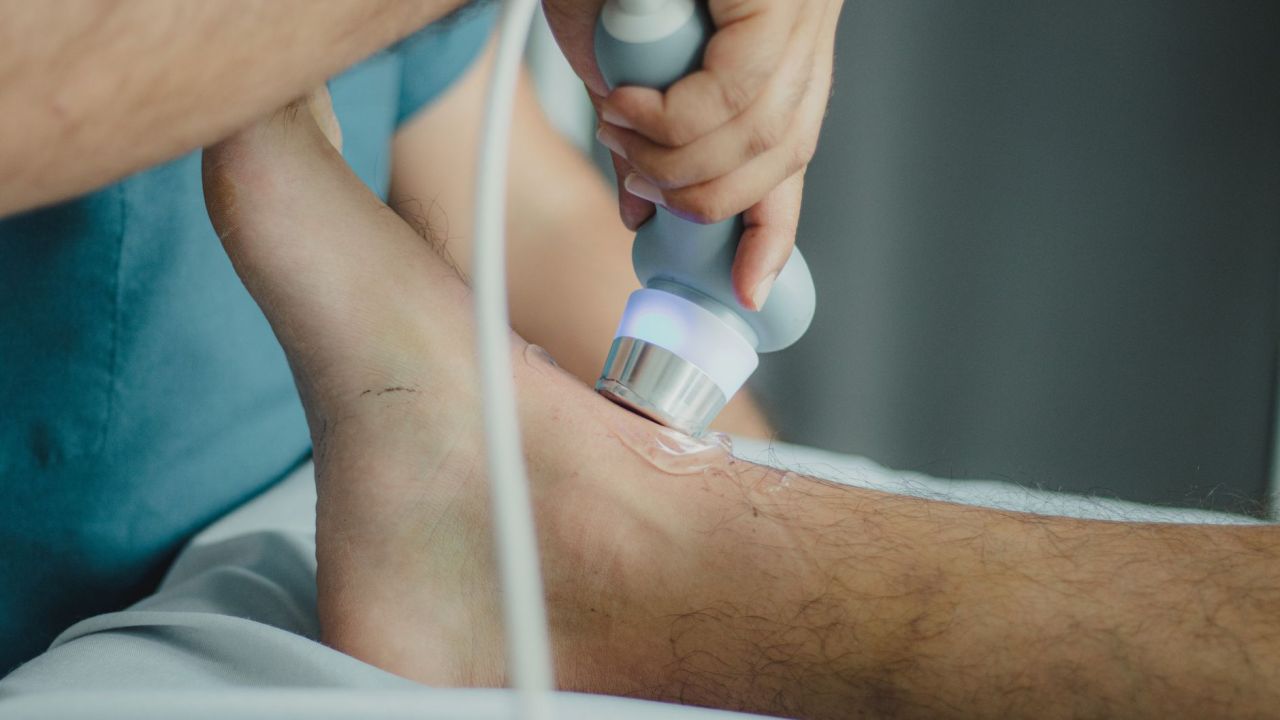
An expensive device with a genuine but limited role, sold with claims well beyond what it does. Here is the honest position.
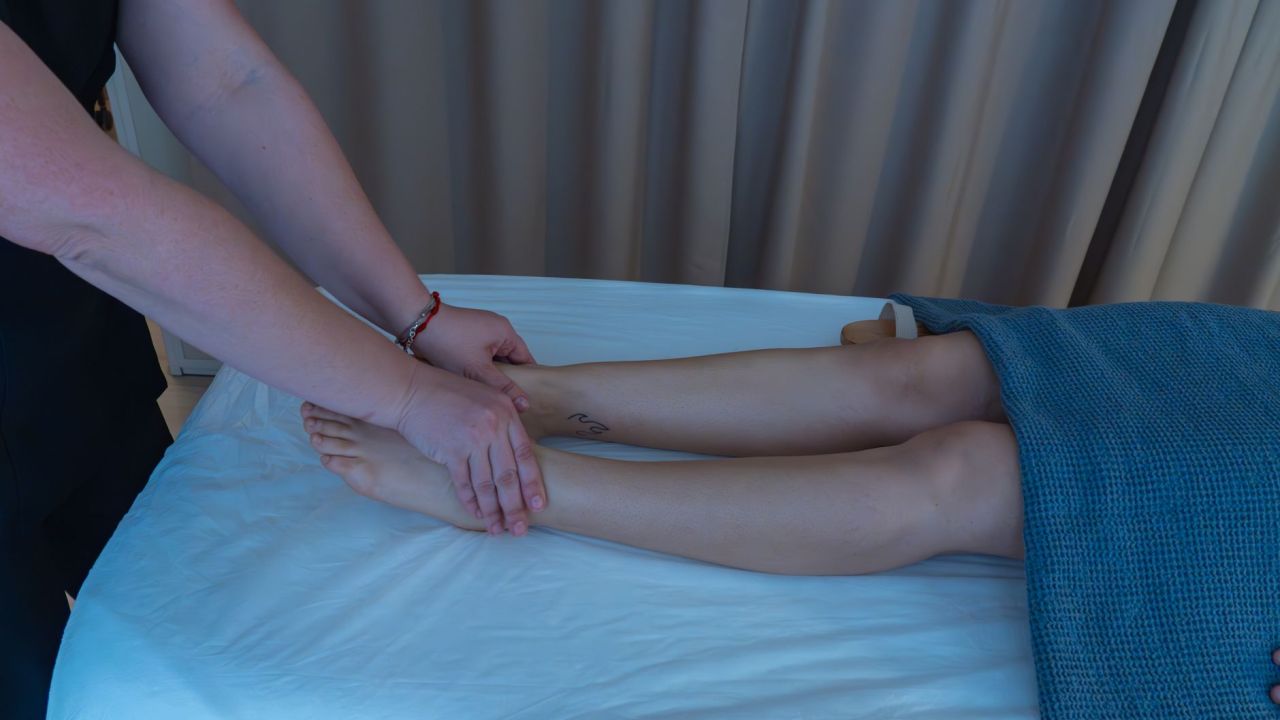
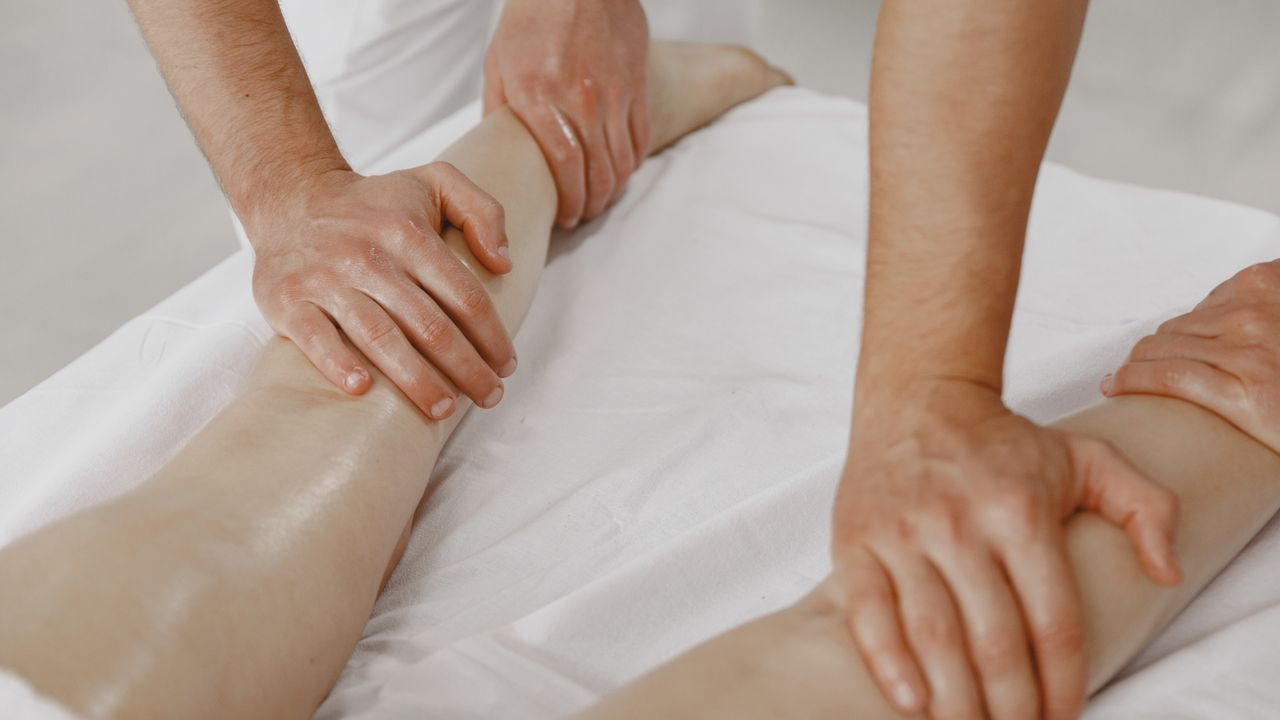
It is gentle, it is specific, and it is nothing like the deep tissue massage people picture. What MLD does for lipedema, and how to do a little of it safely at home.
A triage of everything that circulates in lipedema videos, sorted into three piles: worth doing, harmless if you enjoy it, and actively bad for this tissue.
The single most recommended conservative treatment, and the one most often bought wrong. Flat-knit versus circular, getting measured properly, and surviving it in a Gulf summer.
Four hours of immobility in a low-pressure cabin is a bad combination for any legs, and a worse one for these. Most of the fix happens before you board.
Professional drainage is not available weekly to most women in this region. A self-administered version is, and done correctly it is a genuine part of managing the pain.
Movement in compression carries the strongest recommendation grade in the clinical guideline for this condition — stronger than diet, stronger than drainage. Here is the programme, with dosage.
Nobody tells you this part. A correctly prescribed garment that lives in a drawer because you cannot get it on is doing nothing at all, and the fix is technique rather than willpower.
The cruel arithmetic of this condition in our climate: heat dilates vessels and worsens swelling, so summer is when you need compression most and can bear it least. There are real answers, and "just push through" is not one of them.
Pain is what makes this a medical condition rather than a body shape — and it is the symptom most often left out of the conversation entirely. Here is the mechanism, and the interventions ranked by how much evidence stands behind each one.