Understanding lipedema
Twelve things about lipedema that are not true
Some of these come from the internet, some from clinics, and some from doctors. All of them cost women time, money, or years of believing the wrong thing about themselves.
Some of these come from the internet, some from clinics, and some from doctors. All of them cost women time, money, or years of believing the wrong thing about themselves.
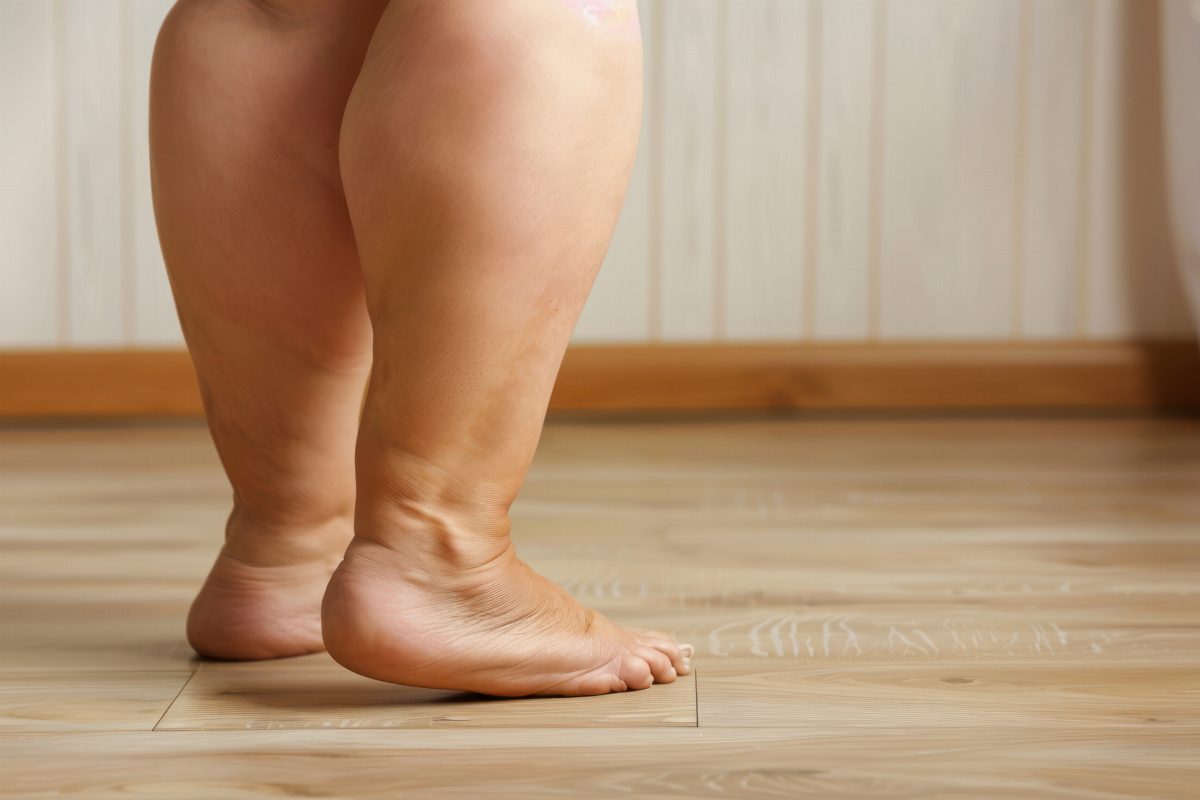
They can look alike from the outside and they behave nothing alike underneath. This is the confusion that gets women dismissed, and these are the differences that separate them.
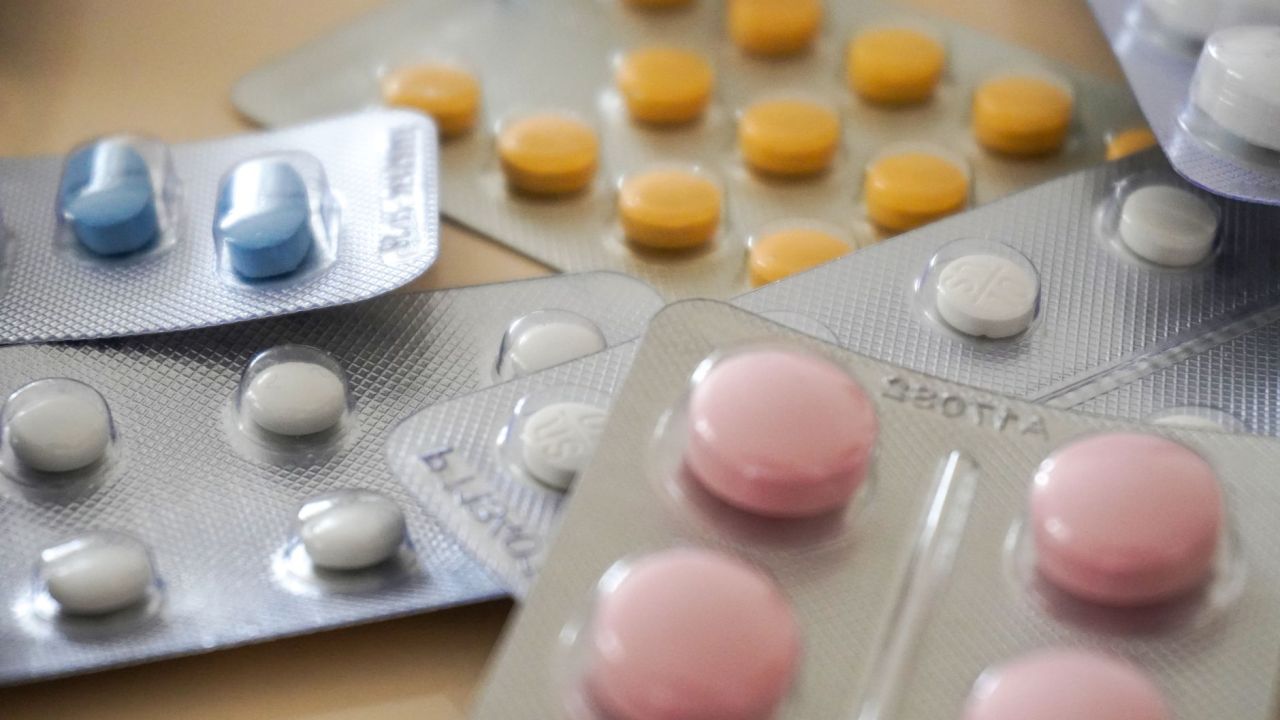
The question in every lipedema group right now. The answer is not "no" and it is definitely not "yes" — it is that these drugs act on a different tissue from the one causing your symptoms.
One of the most-asked and least-answered questions in lipedema groups, because the honest answer is "partly, and the distinction matters more than you would think".
Most women with this condition have had at least one appointment that ended in advice about food. Here are the specific sentences that change the direction of that conversation.
The answer is a qualified yes, and the qualification is the whole point: you are pursuing something specific and measurable, not chasing legs that were never going to change.
You cannot diagnose yourself from a website — but you can find out whether what you are seeing is the pattern a doctor would recognise, and that is what turns "I feel enormous" into a sentence a clinician can act on.