Keto and inflammation in lipedema: what the evidence actually says
The most-recommended diet in the lipedema world rests on a small evidence base and a plausible mechanism. Both of those are worth understanding before you commit a year to it.
How eating affects lipedema symptoms, what the evidence for that actually says, and where it stops.
The most-recommended diet in the lipedema world rests on a small evidence base and a plausible mechanism. Both of those are worth understanding before you commit a year to it.
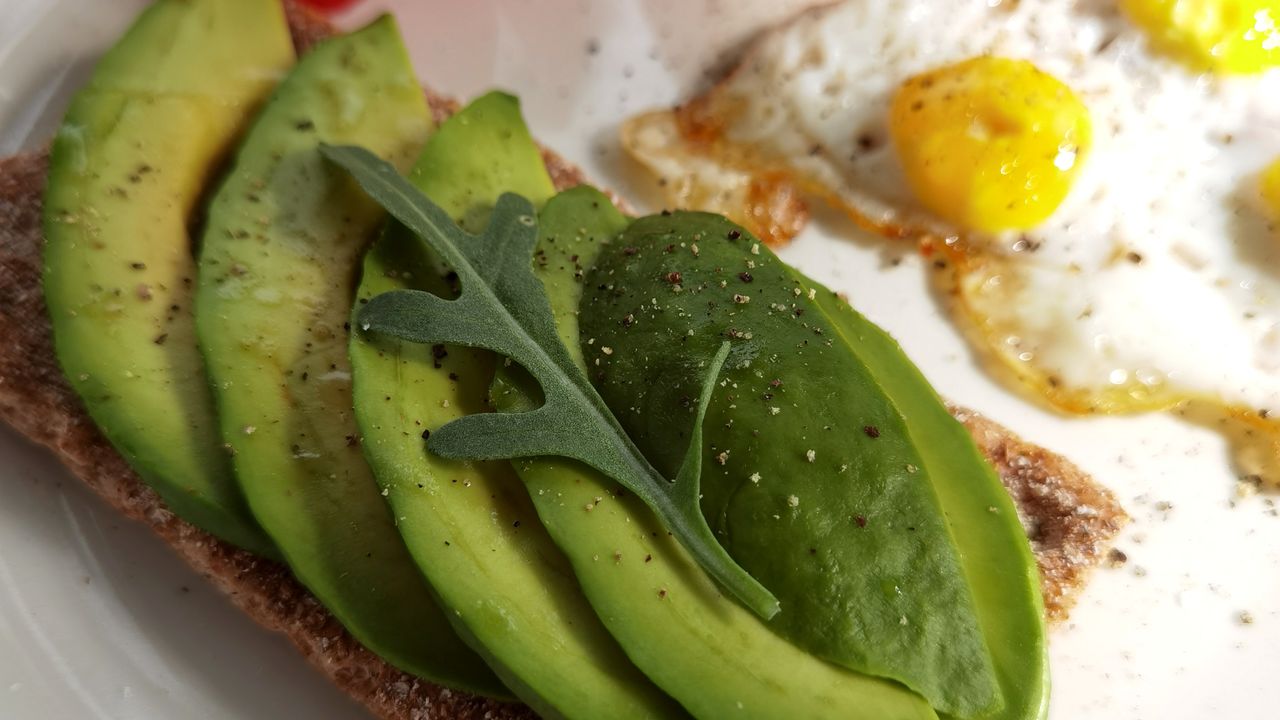
Half of this is intuitive and half of it is exactly backwards, which is why so many women are doing one of the two things that helps and one that does not.
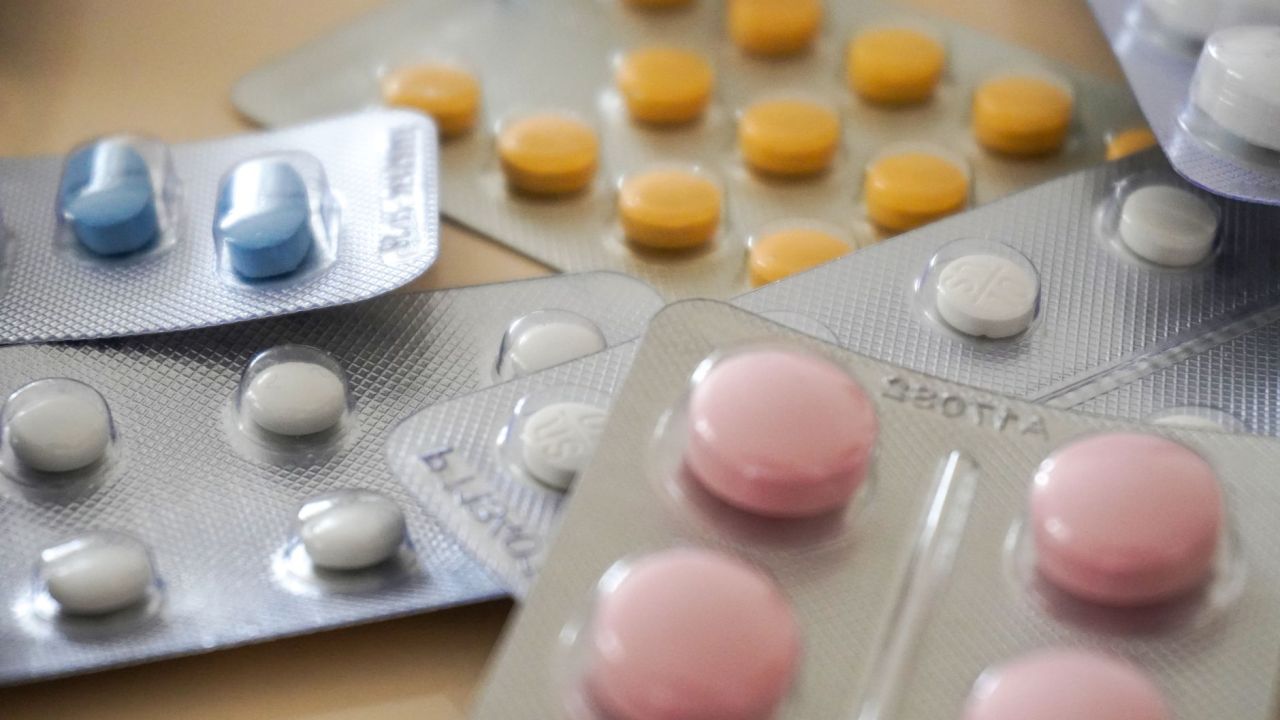
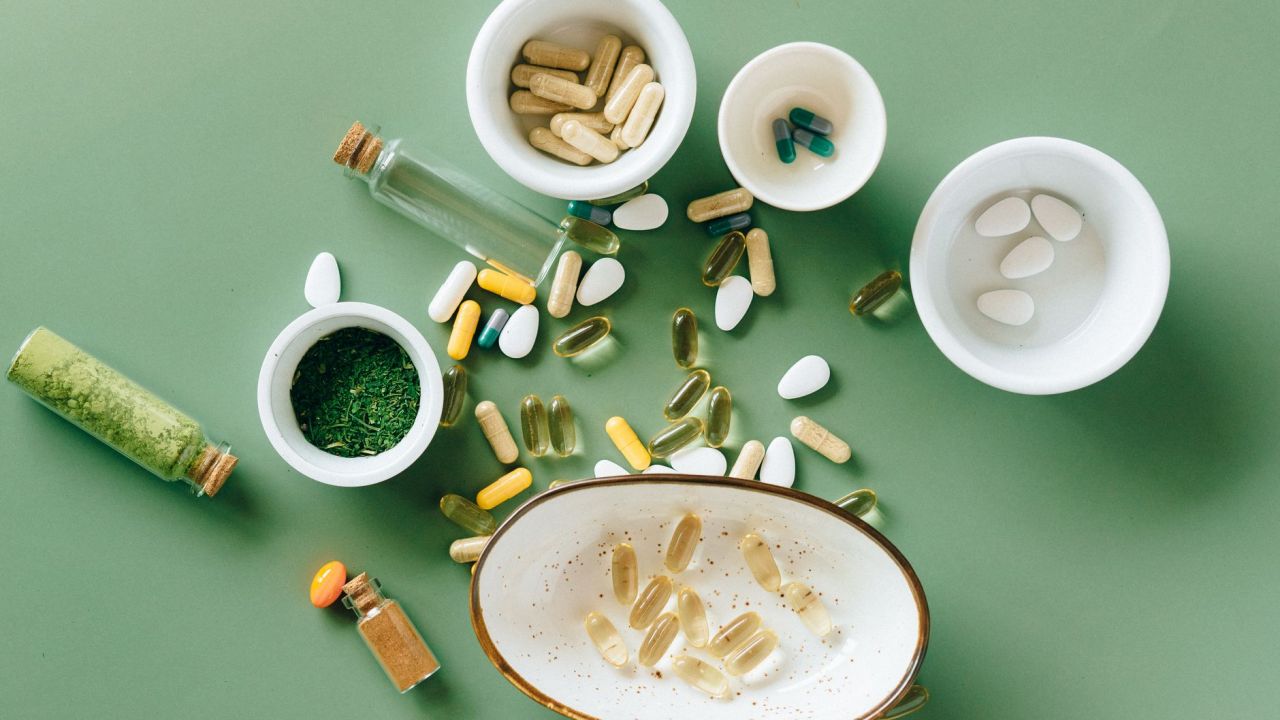
The supplements aisle is where a chronic condition with no cure meets a market with no obligation to prove anything. Here is what the literature actually supports.
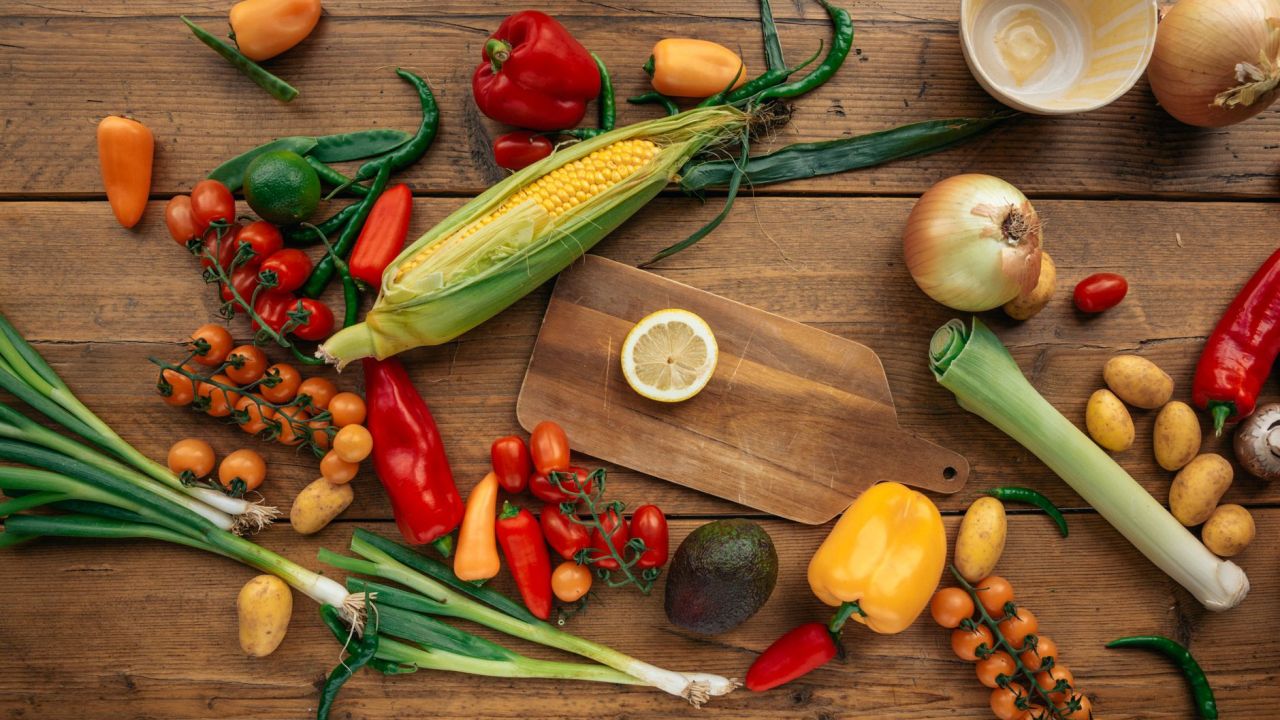
Most anti-inflammatory advice assumes a supermarket you do not shop in. The good news is that the traditional kitchen here is already most of the way there.
The question in every lipedema group right now. The answer is not "no" and it is definitely not "yes" — it is that these drugs act on a different tissue from the one causing your symptoms.
The answer is a qualified yes, and the qualification is the whole point: you are pursuing something specific and measurable, not chasing legs that were never going to change.
The honest answer has two halves, and most articles only give you one. No diet removes lipedema fat. Several ways of eating meaningfully reduce pain, swelling and inflammation. Both of those are true at once.