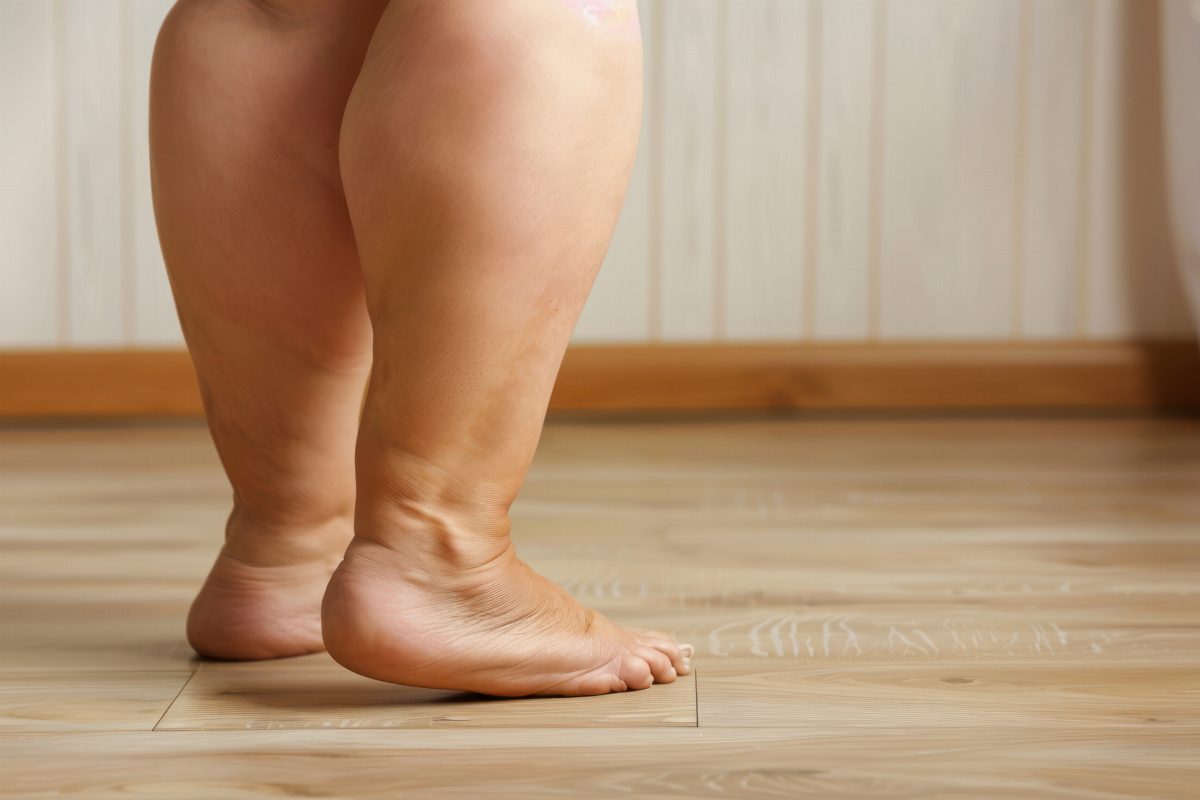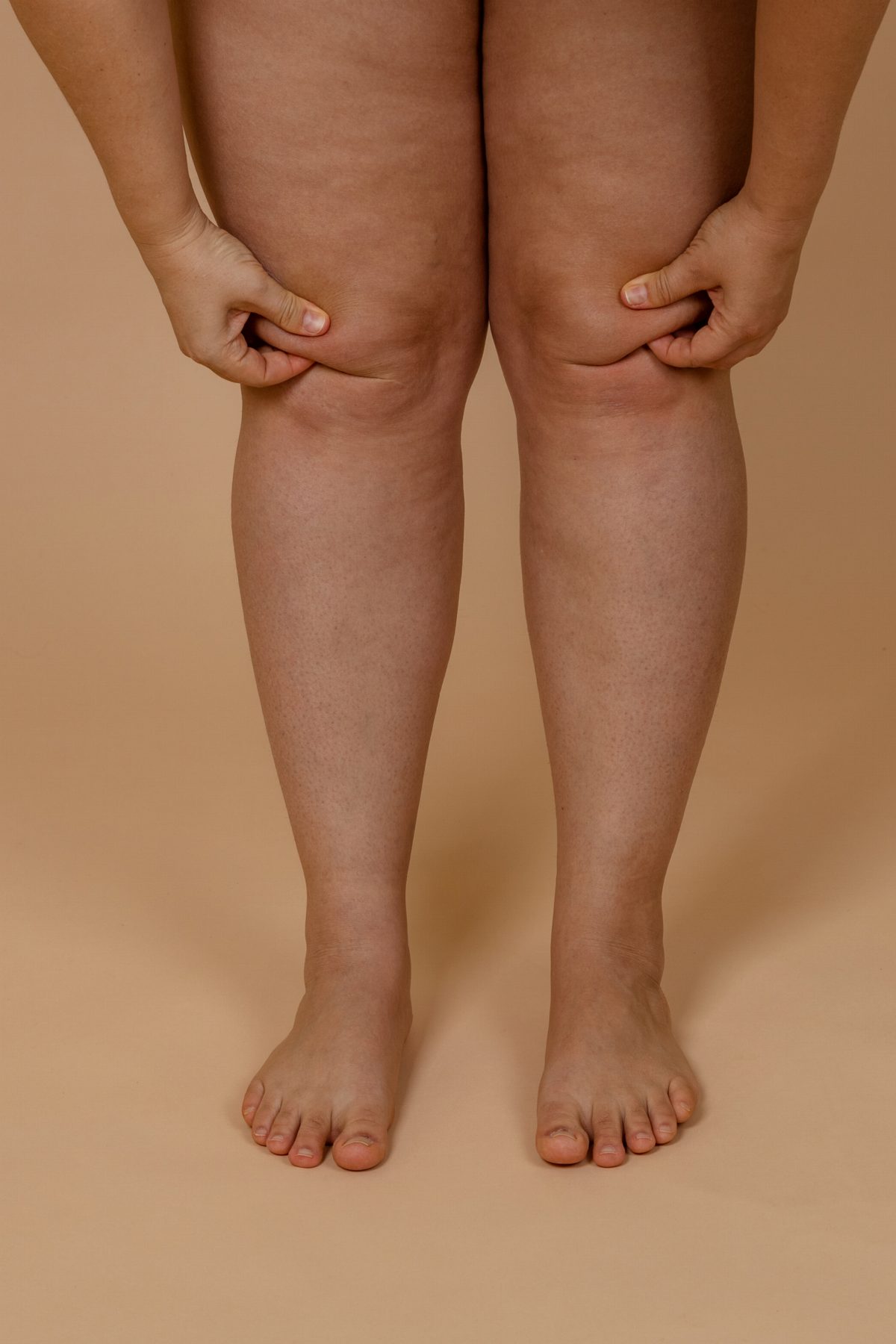
Lipedema, spider veins and varicose veins
Spider veins over the thighs are common in lipedema and often the first visible sign. Varicose veins are a separate condition that frequently coexists — and treating one does not treat the other.

What the condition is, how it is recognised, and what separates it from the things it is constantly mistaken for.
Spider veins over the thighs are common in lipedema and often the first visible sign. Varicose veins are a separate condition that frequently coexists — and treating one does not treat the other.
Some of these come from the internet, some from clinics, and some from doctors. All of them cost women time, money, or years of believing the wrong thing about themselves.
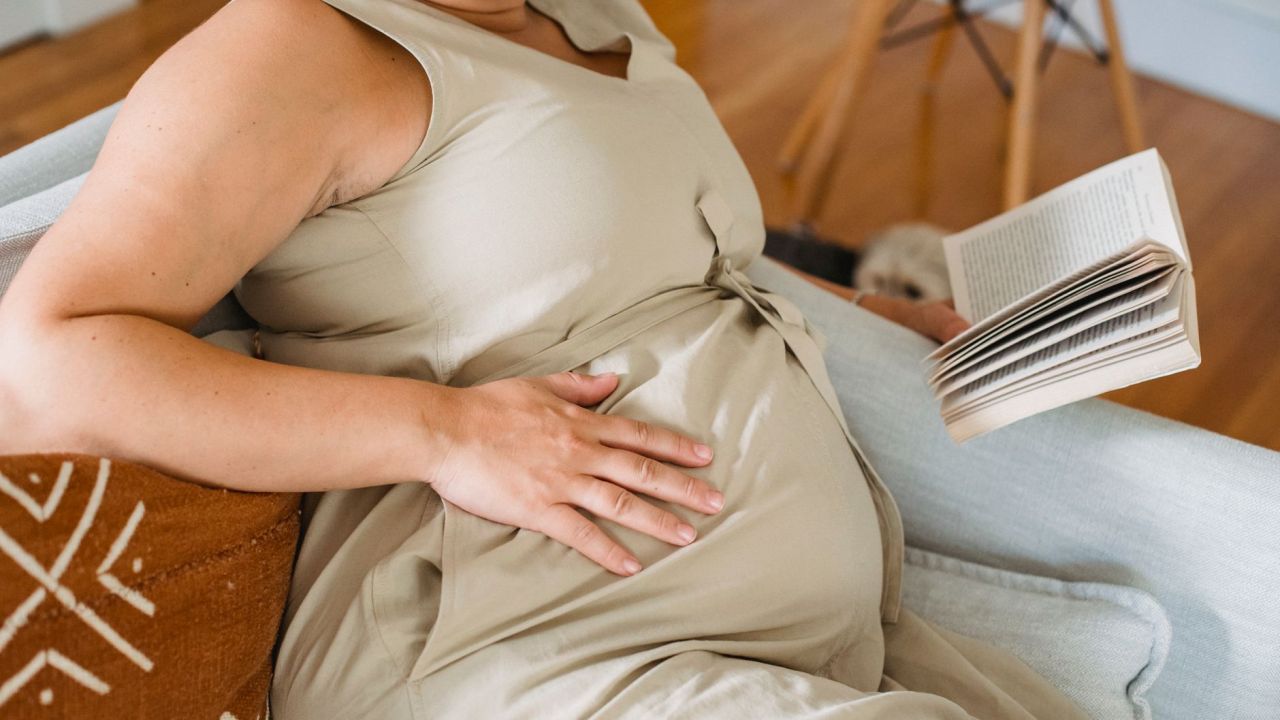
Pregnancy is one of the three points at which this condition typically starts or jumps. That is worth planning around rather than worrying about.
One number, four different things inside it, measured at the worst possible resolution. Here is what a bathroom scale can and cannot tell a woman with lipedema.
They can look alike from the outside and they behave nothing alike underneath. This is the confusion that gets women dismissed, and these are the differences that separate them.
Puberty is when this most often starts, which makes adolescence the highest-value moment to recognise it — and the easiest one to get wrong.
A chronic disorder of fat tissue that affects women almost exclusively — symmetrical, painful to the touch, and stubbornly unmoved by dieting. Here is what is actually happening.
Almost every source describes this as a condition of women, which is accurate and leaves a small number of men with painful, disproportionate legs and no explanation at all.
Yes, it is a progressive condition — and that sentence is usually delivered without the far more useful one that follows it: progression is not steady, not inevitable, and not entirely outside your influence.
The family pattern is one of the most reliable things about this condition — and one of the saddest, because it usually means several generations were told the same wrong thing.
Almost every woman with lipedema can name the year it changed, and almost every one of those years was a hormonal one. What that tells us, and what it does not.
They are confused constantly, they are treated differently, and one can eventually cause the other. Four questions separate them, and the first one is about your feet.