Understanding lipedema
Twelve things about lipedema that are not true
Some of these come from the internet, some from clinics, and some from doctors. All of them cost women time, money, or years of believing the wrong thing about themselves.
Some of these come from the internet, some from clinics, and some from doctors. All of them cost women time, money, or years of believing the wrong thing about themselves.
The most-recommended diet in the lipedema world rests on a small evidence base and a plausible mechanism. Both of those are worth understanding before you commit a year to it.
One number, four different things inside it, measured at the worst possible resolution. Here is what a bathroom scale can and cannot tell a woman with lipedema.
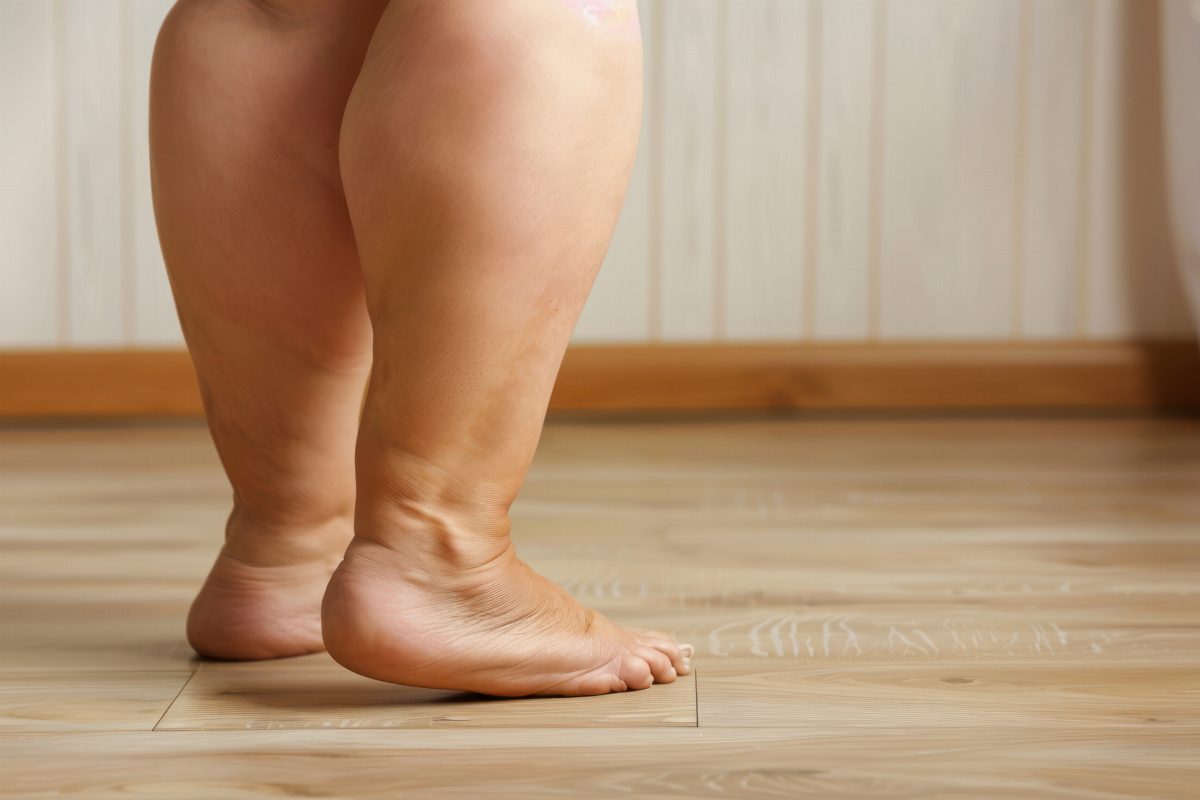
They can look alike from the outside and they behave nothing alike underneath. This is the confusion that gets women dismissed, and these are the differences that separate them.
The question in every lipedema group right now. The answer is not "no" and it is definitely not "yes" — it is that these drugs act on a different tissue from the one causing your symptoms.
It is not a soft topic bolted on to a medical library. Elevated depression and anxiety are in the clinical guidelines for this condition, and so is an instruction to clinicians about how to speak to you.
Yes, it is a progressive condition — and that sentence is usually delivered without the far more useful one that follows it: progression is not steady, not inevitable, and not entirely outside your influence.
The answer is a qualified yes, and the qualification is the whole point: you are pursuing something specific and measurable, not chasing legs that were never going to change.
The honest answer has two halves, and most articles only give you one. No diet removes lipedema fat. Several ways of eating meaningfully reduce pain, swelling and inflammation. Both of those are true at once.